I'm Sorry for What I Said: A Graphic Font for Honest Branding
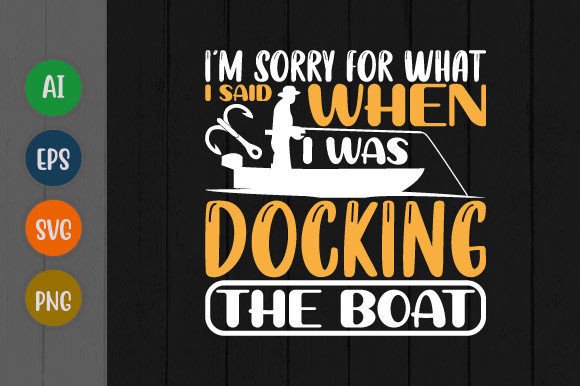
We’ve all been there. A moment of frustration, a slip of the tongue, and the immediate need for a heartfelt, if slightly humorous, apology. The "I'm Sorry for What I Said" graphic font captures that universal feeling perfectly. It’s not a traditional typeface in the sense of a serif font or a clean sans serif font. Instead, it’s a premium font designed as a complete visual message. Its personality is raw, authentic, and instantly relatable. The style leans into a handwritten font aesthetic, but with a confident, almost bold script that ensures clarity. The overall appeal lies in its directness—it doesn't just spell out words; it conveys an emotion. This makes it a powerful creative font for projects that need a human touch, a dash of self-aware humor, and a break from overly polished modern typography.
Where This Design Asset Truly Shines
Understanding the ideal context for I'm Sorry for What I Said is key to leveraging its charm. This isn't a font for lengthy body copy or formal legal documents. Its strength is in high-impact, short-form communication where personality is paramount.
- Apparel & Physical Goods: This is where it becomes a star. Imagine this design on a crewneck sweatshirt, a tote bag, or a coffee mug. It’s perfect for merchandise that speaks to everyday moments, making it ideal for small business owners in the apparel space. The included PNG transparent (High Quality 4500 X 5400 File) ensures crisp, professional printing on any color fabric.
- Digital Branding & Social Media: For social media graphics, Instagram stories, or relatable meme-style content, this font cuts through the noise. It can be used in logo design for brands with a casual, approachable, or humorous identity—think a local café, a podcast, or a lifestyle blog.
- Packaging & Editorial Design: In packaging design, it could add a playful, conversational element to product labels, especially for food, beverages, or novelty items. In editorial design, it works wonderfully for pull quotes, section headers in a magazine, or a book cover that aims for a candid tone.
- Stickers, Notebooks & Phone Cases: The versatility of the included file formats—Ai, Eps, Svg, and Png—makes it effortless to adapt for a range of design assets. Create custom stickers, design notebook covers, or craft unique phone case graphics that feel personal and bespoke.
Making the Right Choice: Practical Guidance
Choosing a display font like this is about more than just liking how it looks. It’s about strategic fit. Here’s how to evaluate and implement I'm Sorry for What I Said effectively.
First, consider your project’s core message and audience. Does it align with a tone that is honest, slightly apologetic, or humorously self-deprecating? If your brand identity is built on formal authority or sleek minimalism, this might not be the right typeface. However, if your brand is friendly, relatable, and values authenticity, it could be a cornerstone of your visual language.
Next, think about font pairing. A bold, expressive script font like this demands balance. Pair it with a simple, geometric sans serif font for body text or supporting information. For example, use I'm Sorry for What I Said for a headline on a poster, and pair it with a clean font like Helvetica or Futura for the event details. This creates clear visual hierarchy and ensures overall readability.
Always test the commercial font files in your actual workflow. The package provides incredible flexibility: use the Ai and Eps files for full vector editing in Adobe Illustrator, perfect for scaling to any size without quality loss—critical for large-format prints or detailed web design elements. The Svg file is ideal for responsive web use and animations. The high-resolution PNG is a ready-to-use workhorse for mockups, social posts, and direct printing.
Finally, review the licensing for your intended use. Since it’s positioned as a commercial font, ensure your purchase covers your specific application, whether it’s for personal projects, client work, or merchandise for sale. This upfront diligence prevents headaches later and is a mark of a professional designer or business owner.
In the end, I'm Sorry for What I Said is more than just a graphic; it's a tool for connection. It acknowledges imperfection in a visually engaging way, making it a valuable addition to any creative’s toolkit for projects that aim to be remembered not for their polish, but for their personality.